
We hear so often how salt is bad for us, but I can almost guarantee there are a lot of you out there that don’t know WHY.
 Back at the very beginning of my weight loss journey, I was borderline hypertensive, with my blood pressure averaging 140/90. I was only 31 years old. My amazing doctor decided I should go on a low sodium diet for a month and see what happened. So I followed the diet to the letter, keeping my daily intake of sodium around 1,000 mg a day. I did a lot of scratch cooking in that time, and completely stayed away from cheese and processed foods. So what happened?
Absolutely nothing.
What whaaaaaat? But Andrea, doesn’t sodium affect blood pressure?! Well, yes, it does. In some people. I’m apparently one of those incredibly lucky individuals to which salt does not immediately skyrocket their blood pressure. (Turns out it was the birth control I was on.) Even though my blood pressure isn’t affected by sodium, it can affect many, and it can cause other problems too.
What Too Much Salt Does To The Body
Your kidneys are the organs tasked with ridding the body of excess sodium. When you eat too much sodium, the kidneys struggle to rid the body of the excess, causing fluid retention in the surrounding cells and an increase in blood volume in your cardiovascular system.
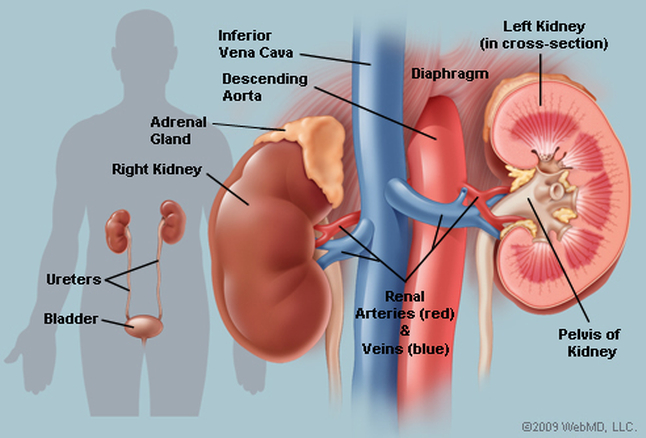 This can lead to kidney disease, high blood pressure, heart attack, stroke, and potentially direct damage to the heart. In addition, sodium can leech calcium from your body, leading to osteoporosis.
How To Avoid Sodium
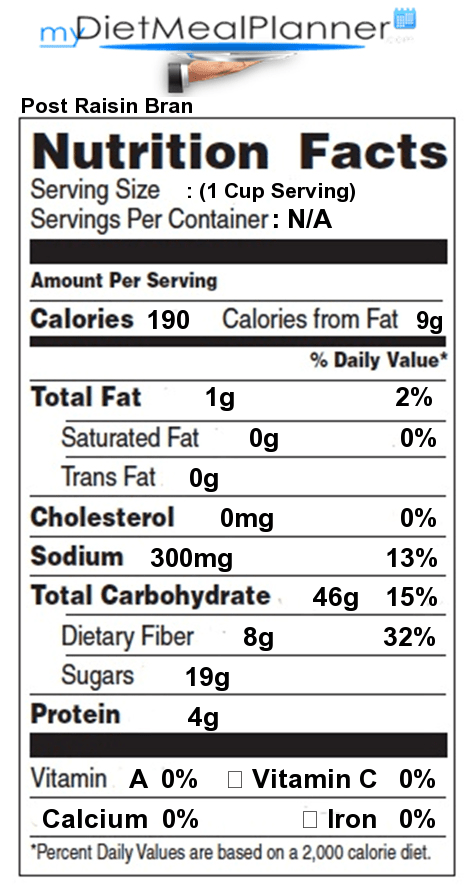
A large majority of the sodium we eat on a daily basis comes from processed and restaurant foods. Only about 10% of it is added when we cook or when we add salt at the table. So it’s pretty easy to avoid salt by avoiding processed foods and going out to eat too frequently. I’ve adapted over time to not even keep salt on the table, and to measure salt when cooking to limit the amount I use. Most restaurant food is overly salted, even when it’s made entirely from scratch, and we’ve grown so used to eating it that way that it can be difficult to adjust at home. And you’d be surprised how much salt there is in CEREAL:
One way to reduce salt in your diet without sacrificing flavor is to replace some of the salt in your recipe with a salt free herb or spice. Vinegar, herbs, spices, chiles, etc. can pack a punch of flavor without all the sodium. Check out my blog Pantry Staples for the Exotic Kitchen to get a really expansive list of flavorful additives!
Add Potassium
Making sure you get your daily dose of potassium is important too. Sodium and Potassium work in conjunction with one another, and the balance of the two is essential for healthy nerve function. Potassium is in higher concentration in the fluids inside your cells compared to the outside, while sodium is in higher concentration in the fluids outside your cells compared to the inside. This imbalance is what allows for electrical impulses in the body, which is used to contract muscle and keep your heart beating.
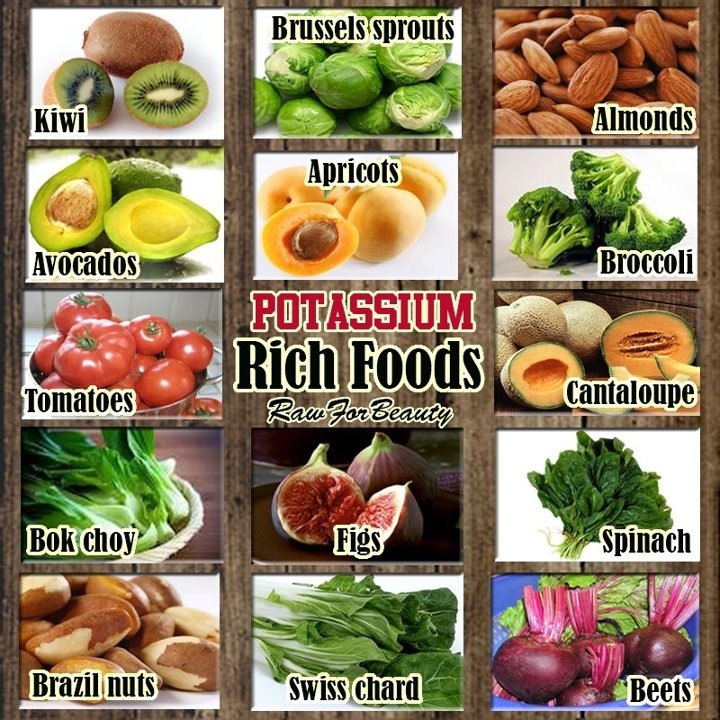 The best way to maintain this natural imbalance is to consume foods rich in Potassium, and luckily, the best of those foods are healthy fruits and vegetables! Keeping your potassium up and your salt at a reasonable level is an excellent step to keeping your health in tip top shape.
References:
https://www.hsph.harvard.edu/nutritionsource/salt-and-sodium/sodium-health-risks-and-disease/
http://www.bloodpressureuk.org/microsites/salt/Home/Whysaltisbad/Saltseffects
https://sodiumbreakup.heart.org/sodium_and_your_health
https://www.healthaliciousness.com/articles/food-sources-of-potassium.php
http://healthyeating.sfgate.com/right-balance-sodium-potassium-6341.html



 A Measured Life