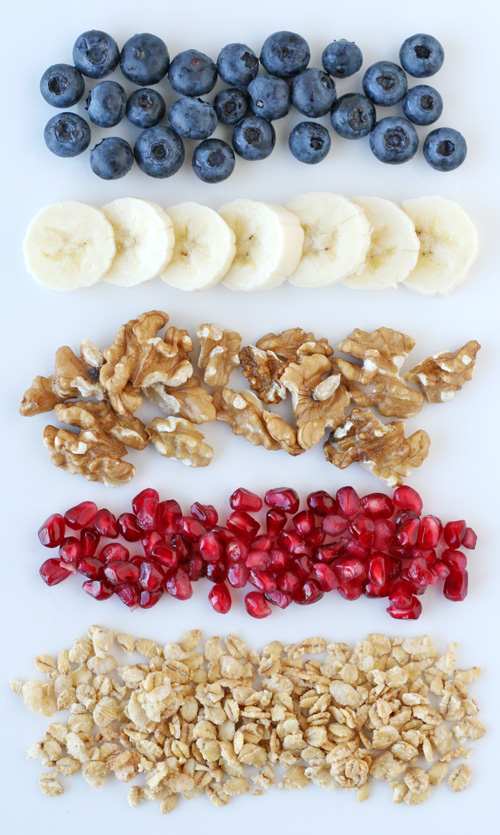
I’ve almost always loved yogurt: first the sickly sweet kind laden with chunky fruit, then the whipped kind, and the custard kind. Soon after starting my weight loss journey, I took on Greek yogurt, and I’ve never looked back. I have to be adaptable on what brand I buy, but even so, I have favorites. Fage undoubtedly has my favorite fruit flavors. Light N Fit Greek is only 80 calories per cup and makes a few fantastic chocolaty flavors. But even buying them at $1 a cup on sale, it can get pricey. Plus, a lot of my favorite flavors are loaded with sugar. My solution? Buying large tubs of plain and topping them myself!
Plain Fage Greek yogurt is just 130 calories per cup and boasts around 24 grams of protein. If you can tolerate the taste plain, go for it! For me, it’s just a little bit too tart. I also find that half a cup of yogurt with a little bit of topping satisfies me for quite a while, so each of the following combinations is designed for adding to a half cup serving of yogurt.
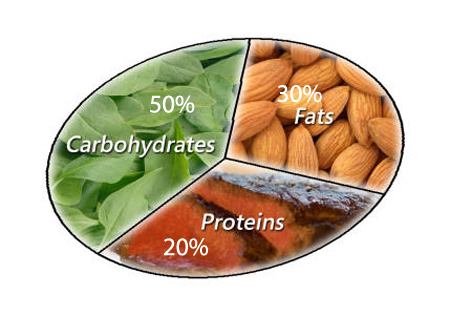
Spinach is totally a weird choice for carbohydrates.
Okay, if you use a website or app to track your food, or you hang out with low-carbers or weight lifters, like you do, you’ve probably heard the word “macros” tossed around once or twice. (As you play this weight-loss game/journey to health you’ll find your vocabulary changes. I suddenly know the names of a lot more body parts than I used to. Now I need to figure out how to use “clavicle” in a game of Scrabble!) So what the *BLEEP* are MACROS, anyway?!
Macronutrients, or Macros for short, are nutrients that provide calories or energy for the body to burn. Depending on the source, there are either 3 or 4 types of macronutrients: protein, fat, carbohydrates and, occasionally, alcohol. For the purpose of diet (and I mean diet as in the food you need to survive, not a diet, as in cutting calories), I’m going to skip alcohol, as it isn’t necessary for the human body to live. Protein, fat and carbohydrates are all vital to the normal, everyday functioning of the human body.
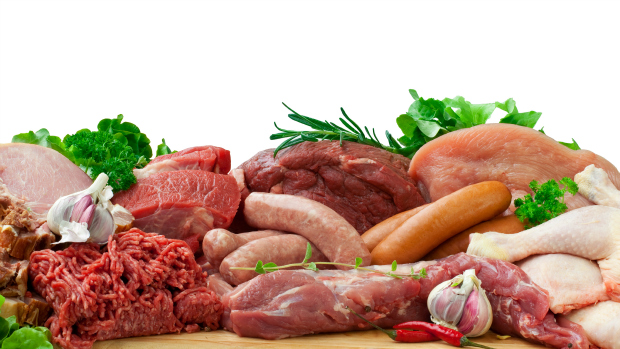
Protein might be the only of the three macronutrients that doesn’t get a lot of negative press. I mean, they sell giant jars of PROTEIN POWDER. (One has been sitting on top of my fridge for almost a year now.) People are encouraged to increase protein intake on a regular basis. Protein is the “cool” macronutrient. Protein is essential for growth: our bodies convert protein to amino acids which (if you recall from high school biology) are the building blocks of life.
Thousands of vegetarians and vegans are crying out in terror right now.
Protein also helps our bodies produce hormones, repair tissue (really important for strength training), bolster the immune system, and preserve lean muscle mass. Animal sources of protein are complete proteins, containing all the required amino acids, while vegetarian sources of protein are incomplete proteins, so vegans and vegetarians usually require additional supplements to account for the missing amino acids. The USDA recommends 10-35% of daily calorie intake should come from protein, and protein is 4 calories per gram.
Fat is by far the most maligned of the macronutrient family, but it’s only specific fats that are considered detrimental to our health. Saturated and Trans Fats (perhaps you’ve heard of this scamp being removed from foods around the United States) increase your risk for heart disease, but unsaturated fats can help reduce your risk of heart disease. Fat is the most dense source of energy, contributes to satiety, helps maintain cell membranes, provides cushioning to internal organs, and helps the body absorb certain vitamins. Plus, as chefs say, fat is flavor! The USDA recommends 20-35% of daily calorie intake
Healthy fats! (Yes butter is acceptable in moderation, dang it!)
should come from fat, and fat is 9 calories per gram.
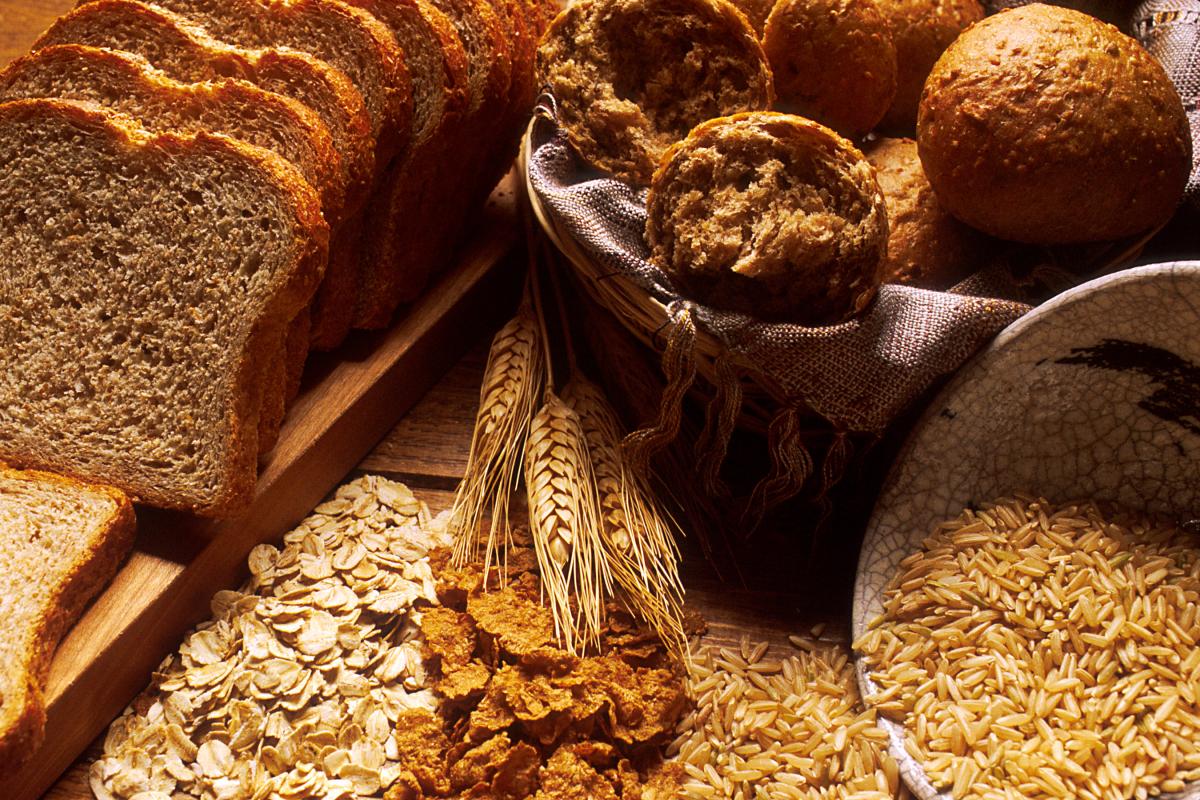
Carbohydrates often get a bad rep, like fat. There are a lot of buzz words floating around lately: low-carb, slow-carb, net carbs. Despite what proponents of low carb dieting might want you to believe, carbohydrates are the macronutrients the body requires most. According to the USDA, 45-65% of daily calorie intake should come from carbs. Carbs are easily converted to glucose by the body, which is the main source of fuel. Without carbs, our kidneys, brain, muscles (heart included) and the central nervous system would all cease to function. Carbs are important for a whole host of other reasons, but the long and short of it is that we need them. Carbohydrates are 4 calories per gram.
So now that we know what macros are, what do we DO with them? Well, how you tweak your macro ratios is highly individual. I personally have been using 20/30/50 protein/fat/carb ratio. Why? Well, to be totally honest, it’s what’s recommended on SparkPeople.com and that’s where I track my food. I don’t do low carb, and it seems to work for me. It assures me that I’m getting enough protein to support my weight training, and that I’m keeping my carbs and
Almost everyone’s nemesis: delicious, delicious carbs!
fat in check. The quality of your carbs and fat is, ultimately, up to you. If you’re low-carb, you’re going to be eating more fat and protein compared to carbs. Human beings are pretty flexible, so as long as you stay within the numbers recommended by the USDA, you should get all the vital nutrients you need for good health, barring any medical conditions that might inhibit nutrient absorption.
Just as always, you need to do what works for you. If you prefer low-carb or paleo, do that. If you prefer to just eat real food and not worry about excluding things, do that. Pick a set of ratios and try it out, but feel free to tweak slightly. The truth is, there is no one answer. (Sorry!) I personally try to cook from scratch several nights per week, but I don’t cut out processed food for snacks if that’s what I want. I generally eat homemade food 80% of the time and other foods 20% of the time, and so far, it’s worked for me, because life isn’t perfection. Nobody’s perfect, and you shouldn’t try to *be* perfect, because this sets you up for failure.
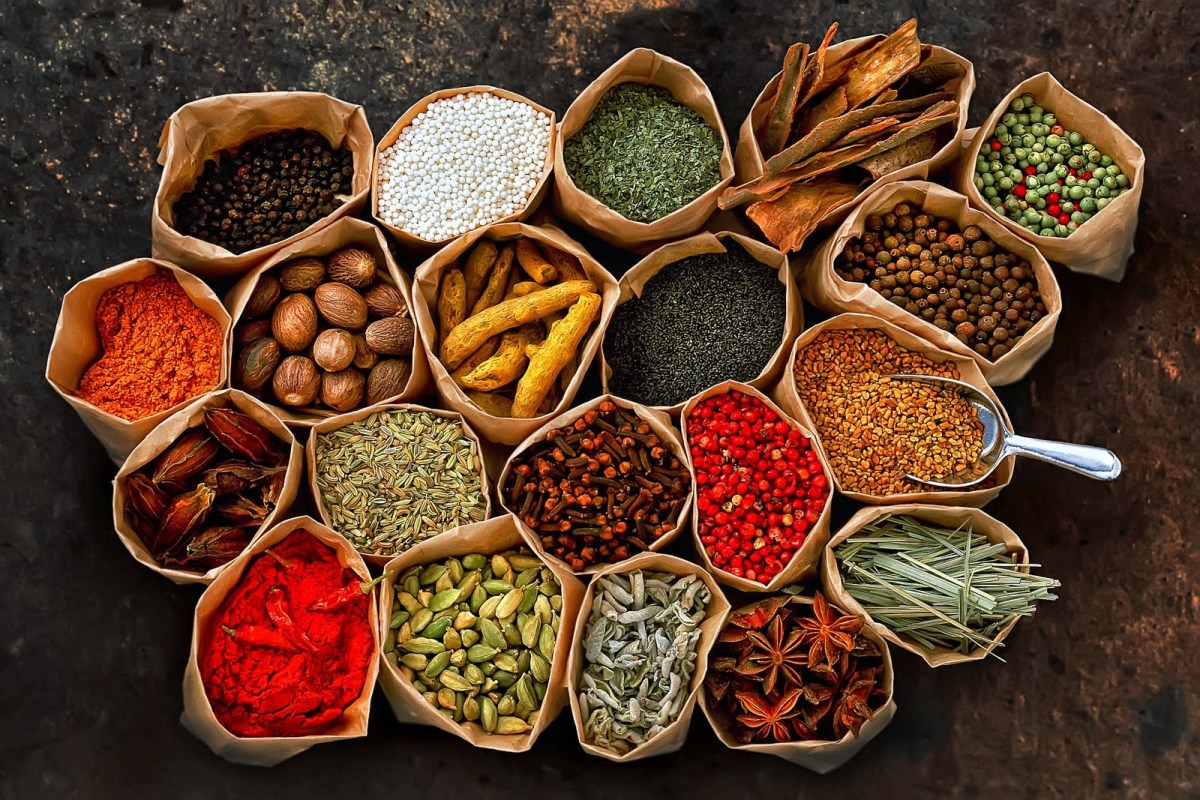
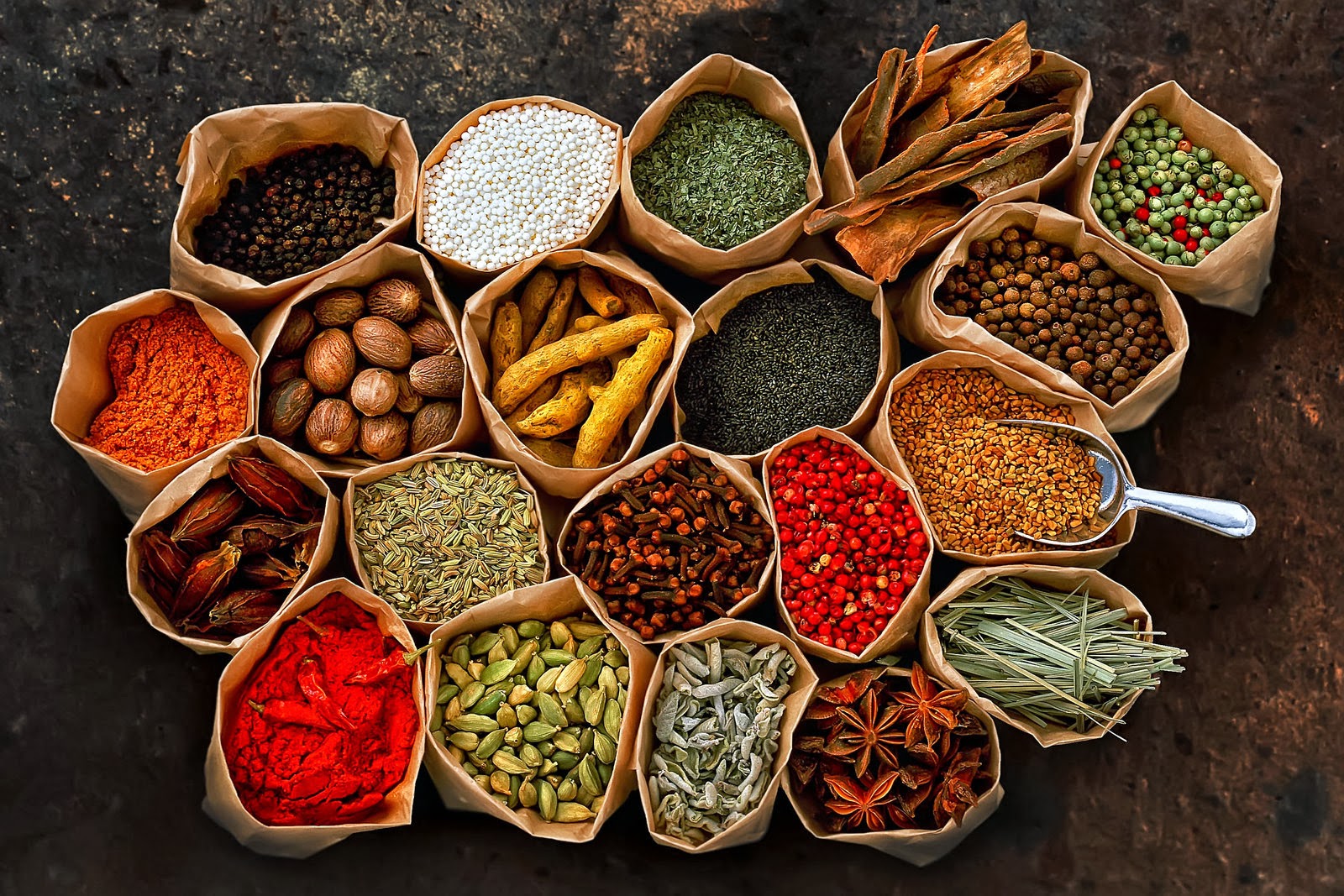
I don’t know about you folks, but when it comes to food, I crave variety. The story of how I came to love so many world cuisines is a story for another time, but I love cooking exotic dishes at home to save money and calories. I often take a dish I truly love (Chicken Tikka Masala for example) and adapt it for my home kitchen, lightening it and occasionally simplifying it. You can find list after list of normal everyday pantry staples on the old interwebs, so I won’t address those here, but I’m going to list some of the less standard pantry ingredients I keep on hand all the time to throw together healthy, home-cooked dishes that are packed with flavor.
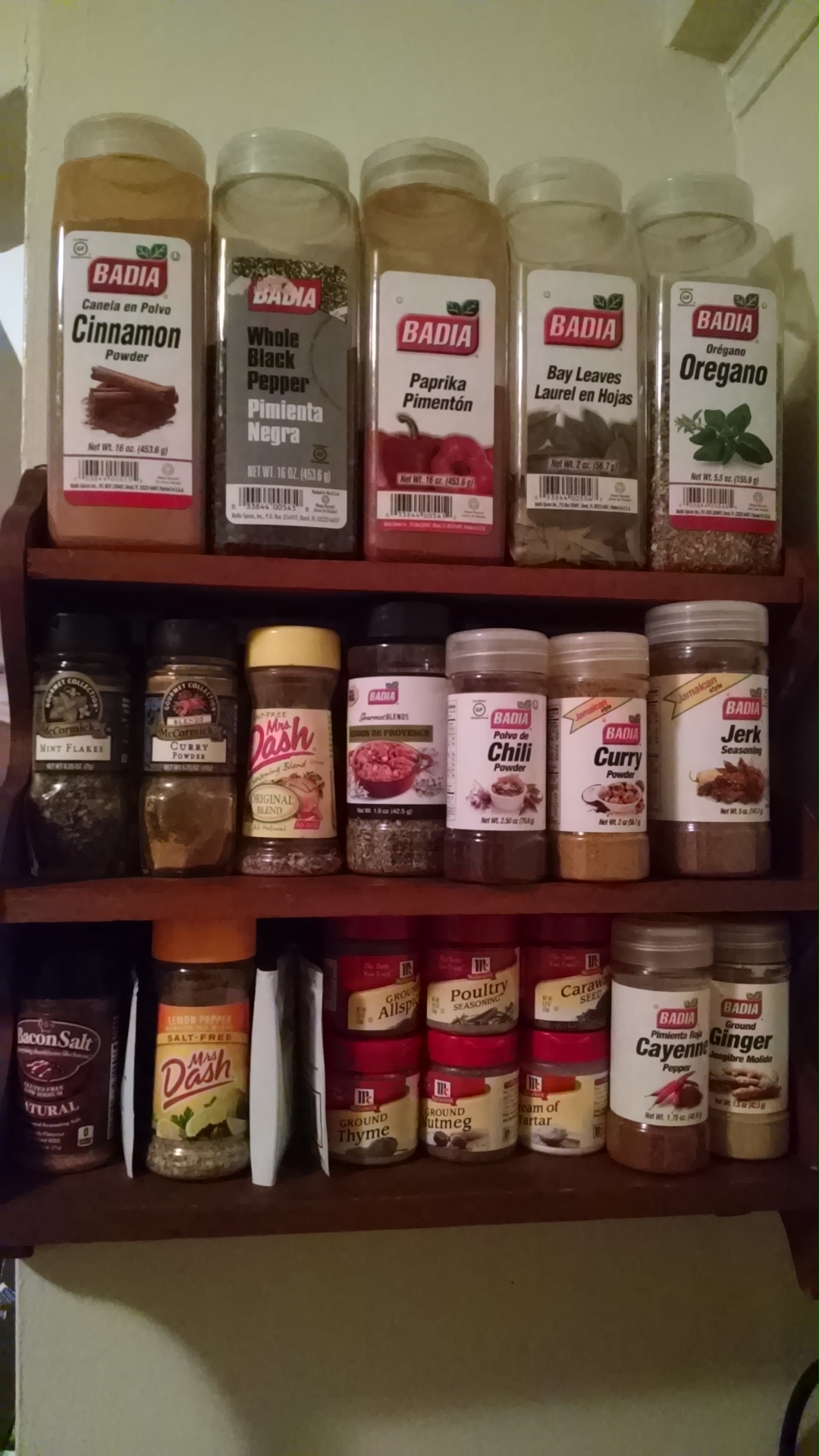
These exotic basics should help you get a head start on cuisines like Indian, Thai, Mexican, and a variety of others. A lot of these items can be found in your standard grocery store, but to save money and get fresher ingredients, take some time to check out your local ethnic stores. I’m lucky enough to live in an area that’s quite diverse, so I have a choice of a generic Asian market, a Korean market, an Indian market and various Hispanic markets to choose from. If you don’t have these options, there are a number of websites that sell the more exotic spices, as well as your standards for far less than you would pay for McCormick (I avoid McCormick like the plague because of the prices, especially since Badia is so much less for the same items). I’ve personally used The Spice House and My Spice Sage for mail order spices with great success.
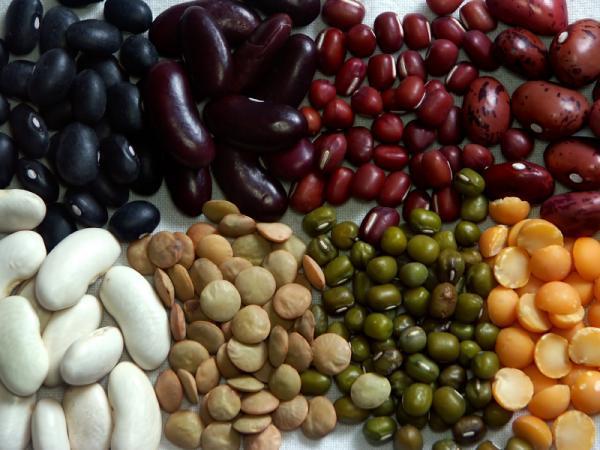
You know what they say about beans, don’t you? Good for the heart.
In the Cabinet
Soy Sauce (Both dark and reduced sodium)
Shao Xing Rice Wine
Fish sauce
Rice Vinegar (Seasoned and Unseasoned)
Balsamic Vinegar (I have 2 or 3 varieties at any given time)


 I’ve almost always loved yogurt: first the sickly sweet kind laden with chunky fruit, then the whipped kind, and the custard kind. Soon after starting my weight loss journey, I took on Greek yogurt, and I’ve never looked back. I have to be adaptable on what brand I buy, but even so, I have favorites. Fage undoubtedly has my favorite fruit flavors. Light N Fit Greek is only 80 calories per cup and makes a few fantastic chocolaty flavors. But even buying them at $1 a cup on sale, it can get pricey. Plus, a lot of my favorite flavors are loaded with sugar. My solution? Buying large tubs of plain and topping them myself!




 A Measured Life