
When the Going Gets Tough, the Tough Make a Plan

http://www.huffingtonpost.com/lloyd-i-sederer-md/stronger-together_b_5682989.html

I think each and every one of us has come to a point in their lives where the day to day minutiae just seems too overwhelming. We get stressed, we have a crisis, something unexpected throws our world into a tailspin and we just want to say “screw it” and give up on healthy living. It could be overeating, a relapse into drinking or substance abuse, or giving up other healthy habits like exercise or drinking water. Our minds and our hearts stop communicating with each other, and no matter how well we KNOW that continuing a healthy lifestyle will help us, we just feel like it’s hopeless. I’m going through a phase like that right now. For many years, I’ve suffered from anxiety and depression. This winter, it’s hit its absolute peak. It started building in November, and now it’s February and I’ve hit rock bottom.
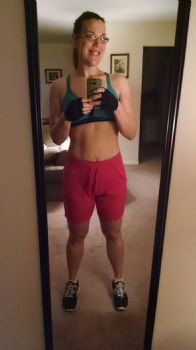
Me on a GOOD workout day.

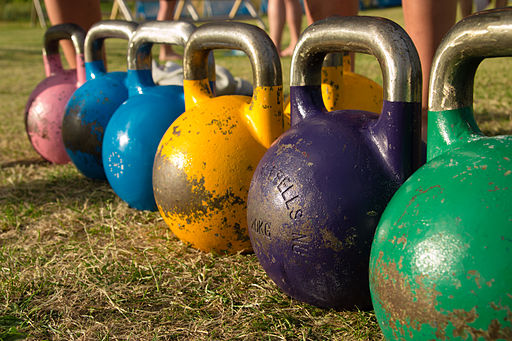
For someone like me, who is not an emotional eater, keeping my food healthy and limited has not been a problem. My anxiety causes me to feel sick to my stomach, and my emotional distress gives me no appetite. Often what happens is I’ll feel sick and won’t want to eat, and then I’ll feel sicker, realize I haven’t eaten in hours, eat, then feel marginally better until a few hours later when the cycle continues. Blah. The real problem is working out. My mind is all over the place right now, thoughts racing all over and flitting about and thinking negative things. Usually I can quell this by focusing on something intently, but something like going for a walk or doing kettlebells just doesn’t focus my mind enough to distract me. Wednesday I managed to force myself through my bells routine by watching a DVRed episode of Justified. I made it through, and may have even worked harder than usual. I felt better afterward, and had a fairly decent day.

Friday I felt like I needed a change. I’ve been doing the same routine for the most part for about 5 months, with a short stint of a second routine during the holidays. While these routines are still challenging, I thought that maybe adding a third routine could spice up my workout, and learning some new kettlebell moves might keep my mind occupied. Since I work out three days a week, doing a different routine every day could help keep things fresh. Having a regular scheduled work out time helps: although I’ve been a bit slacky on my start times this past week. The thing is, it’s getting started that’s the hardest part. Once I actually start, I finish.
http://www.dickssportinggoods.com/product/index.jsp?productId=3970354&cp=4406646.4413986.12598195.34111396&fg=Brand
Image Courtesy of http://www.dickssportinggoods.com

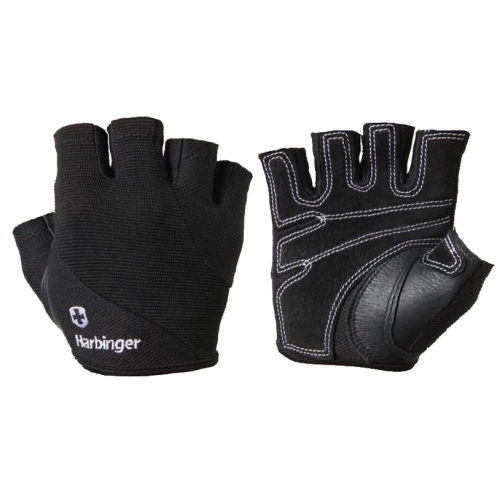
So, Friday, I went to FitnessBlender.com (uhm, if you don’t know about Fitness Blender, you need to check it out – tons of FREE workout videos that are easy to follow) and found a new full body bells workout to try. This may have been a saving grace for me: having to pay attention and learn new moves without injuring myself really kept my mind focus on the work. And the work is satisfying, once you DO it. You’ve heard that quote “the journey of a thousand miles begins with a single step”? Well the hardest part of working out when you just aren’t feeling it is starting each workout. If you make it to the gym, you work out, right? If you workout at home, it’s the act of putting on your workout clothes that triggers the activity. For me, it’s putting on my lifting gloves. Once those babies are on my hands, it’s game on.
http://www.angriesout.com/quotes/action-quotes.htm

In short, here’s my new plan for working out through the tough times (some of these steps I’ve had in place for a while):

  1. Have a workout schedule and stick to it. I workout Monday, Wednesday and Friday. My start time on Monday is flexible, since that’s one of my days off, but in my really good workout days I started around 6:15-6:30. Lately I’ve been struggling to start, so it’s been closer to 7 am. (And, to be fair, this week’s Friday workout was on Saturday, but that was planned because I was meeting a friend for coffee.)
  2. Lay out workout clothes the night before and set them near my “gym”. This will have them in plain view so all I have to do is take off my pajamas and put on my workout clothes. I’ve even simplified my workout clothes because I have found my balance with kettlebells is actually better when I’m barefoot. So I don’t even have to put on socks and shoes. (This will change the first time I drop a 30-lb bell on my bare foot.)
  3. Vary workouts. I will do a different kettlebell routine each day of my week. I will follow each workout with an ab workout, which I’m also going to try to vary, I just haven’t worked out how yet. (Note to self: do planks, they WORK.)
  4. Plan rewards. I used to reward myself with an extra tablespoon of peanut butter on my English muffin in the morning after a workout. That resulted in, guess what, weight gain! So I stopped doing that. I need to come up with a list of non-food rewards. Ideas: self-massage with a tennis ball, aromatherapy.
  5. Treat it like a job. Working out is something I do that I usually enjoy, and I get “paid” in physical fitness.
http://wickedhealthywashingtonian.com/tag/ron-swanson-is-a-genius/
6. Ron Swanson is a genius.

Do any of you have strategies for getting through your workouts when you just aren’t feeling it? Leave your plans in the comments!

GUEST POST: Lessons I Learned While Becoming A Runner – by Christina S.

Yay! Welcome to the first guest post! I hate running, but I know a ton of people love it, and run regularly for fun and exercise. You people are crazy, but hey, life takes all kinds. Christina and I met way back around 2006 through a video game called World of Warcraft. At the time, we were both sedentary gamers, both raid healers (Google it, people), and both went to college for architecture/engineering, so we hit it off right away! She even came to my wedding in 2008, despite us never having met in person before, and despite living in another freakin’ country! Neither one of us play WoW anymore, and we’ve both lost a lot of weight and gained health using SparkPeople. We’ve kept in touch throughout the years, and when I asked her if she would like to write a guest post about becoming a runner, she accepted! I hope that if you’re interested in becoming a runner, this will guide you through the task. Enjoy!

What I would look like if I tried to run. - Andrea
What I would look like if I tried to run. – Andrea

Lessons I Learned While Becoming A Runner

Before November 2010, my running resume included:

  • Several missed buses that saw me doubled over and gasping at the bus stop
  • One 10k run when I was 15, where I finished second from last only because my mom was nice enough to let me cross the finish line before her.
  • One semester of gym class in middle school where I came out of hiding and pushed myself to the front of the pack on cross country runs, thanks to a cute student teacher. There might have been a seed of something there (with my love of running, not with poor Mr. C, who went on to a much less dangerous career in firefighting), but after that semester I settled back into being the short fat girl who wasn’t good at gym.
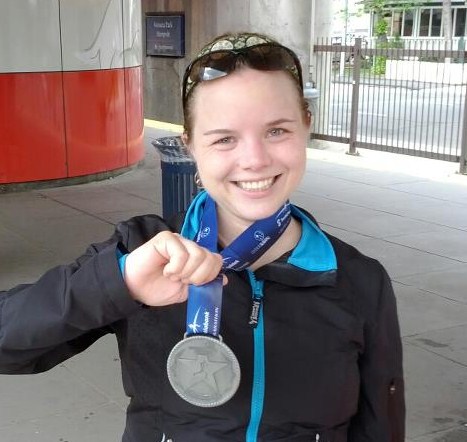
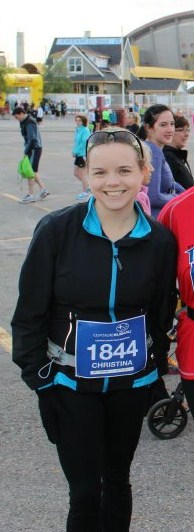
 Christina S.
Christina S.

In the fall of 2010, I had just started what would become a 45 pound weight loss that took me from the edge of obese to being fit and healthy. I was a couple weeks into changing my diet and tracking my food when I decided to brave the little fitness room in my apartment building. It was a disaster. I lasted through seven minutes of flailing and gripping the handles on the treadmill before I finally gave up. To make matters worse, my worst gym fear came true when one of my neighbours came over and asked if I was okay. “Maybe you should slow down a bit, you look like you’re going to be sick,” he said. I was humiliated. I still don’t know how I managed to make it back down to the gym the next day, but not giving up on it ended up being one of the closest things I’ve had to a life changing decision.

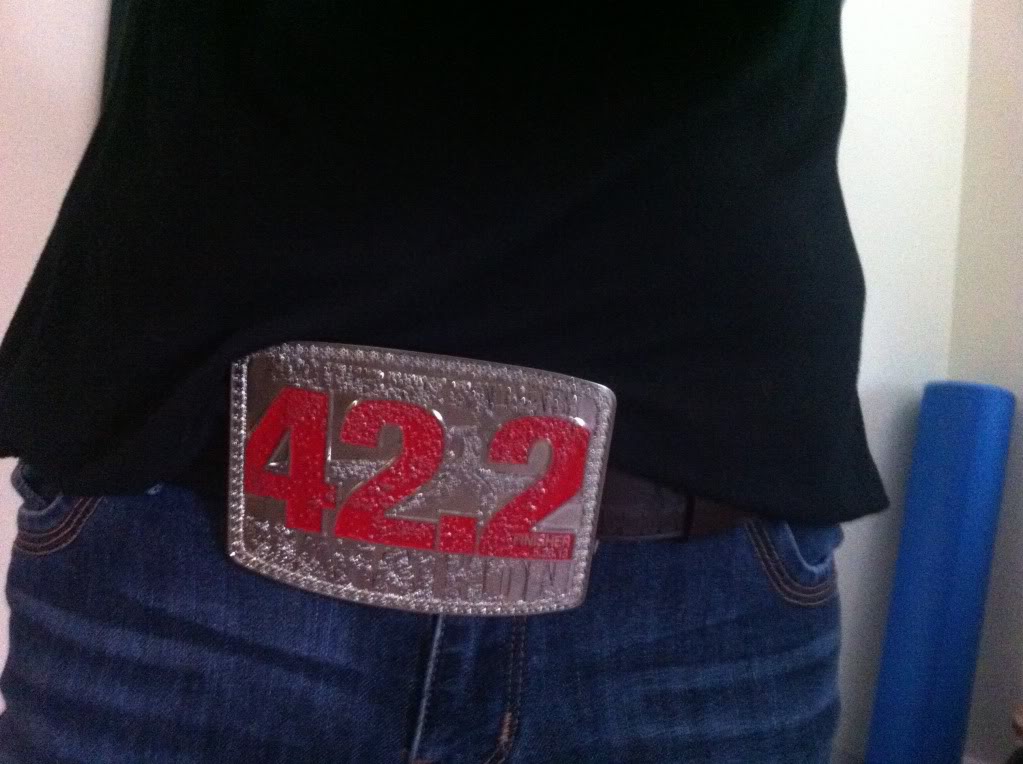
I did manage to get back on that treadmill, this time following some good advice and a Couch 2 5k program. Once I completed that, I decided to keep adding distance. I overcame my fear of people in cars seeing me, and ran outside for the first time. I impulsively signed up for a road race (I said my finger slipped and hit the 10k distance instead of the much more manageable 5k), and learned what it feels like to be a rock star at the finish line, no matter what your time is. I signed up for a half marathon, and began to learn a whole new level of running and training, as well as discovering the social side to the activity. And then, 27 months after that first treadmill run, I ran my first full marathon.

Calgary half
I was running!

Here are a few of the lessons I learned along the way:

1. Don’t be afraid to suck.

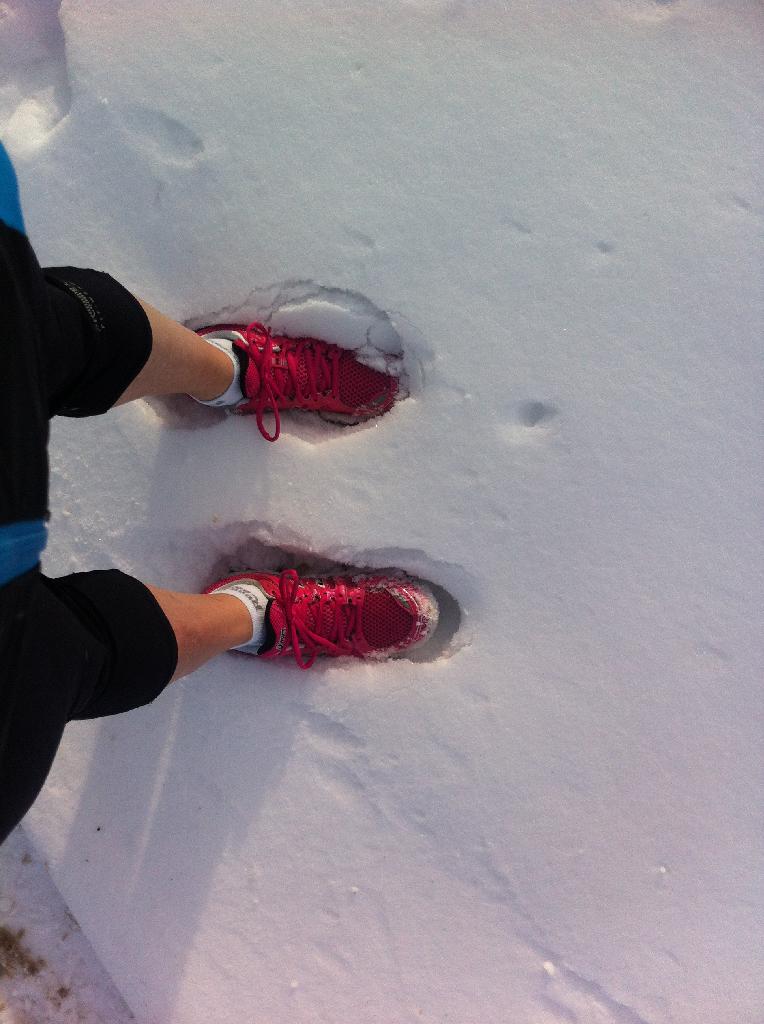
When it came to fitness, the biggest thing hurting me was my pride. I was overweight and inactive, but I had a picture in my mind of what someone my age should be able to do and I expected myself to do it. Every few months, I’d get inspired to make a change, hop onto some piece of gym equipment, destroy myself, and then give up because I simply wasn’t good enough. After that first bad run, I asked for advice and someone pointed me toward a beginner’s program called Couch 2 5k. There are several variations out there, as well as Learn to Run clinics and beginner’s groups. Most of them start with intervals of walking and running; Mine was four minutes of walking and 60 seconds of running, repeated four times. I’ve run in -30 blizzards (I’m Canadian, we’re kind of dumb that way), but by far the hardest ‘run’ I’ve ever done was that first C25k run. Four minutes of walking on the treadmill felt like an eternity, and my face was glowing red from embarrassment. Looking back, it shouldn’t have been, but I had a huge mental block about starting slow. Exercise was supposed to hurt, right?

What beginner’s programs do is build a strong foundation. If you go top heavy, or try to do too much too soon, you run the risk of injuring yourself, or learning how to hate the activity. The program I followed took eight weeks to get to a 45 minute 5k with walk breaks. I ended up taking 10, because I had to go back and repeat a couple weeks before I was able to move on. Those 10 weeks gave me a template for how to increase my distance and intensity, as well as teaching me how to work toward a goal in running. I’ve had injuries over the years and I’ve had periods where I’ve cut back on running, and starting slow taught me how to pull myself back enough to reset and get going again.

2. Equipment matters.

Running is free, right? Don’t tell my bank account. Running can be less expensive than joining a gym or other activities that require more equipment than your legs, but gear does matter. You don’t have to go all out and immediately buy expensive tech shirts or spend $60 on a pair of compression socks, but you’ll want to have a proper pair of shoes. A good running store will have staff who can fit you properly and will be able to watch your gait as you walk/run. There’s no single brand of shoe that’s right for everyone, and the most expensive pair on the wall isn’t always the best for your foot. You may have to play Cinderella as you try 20 different pairs, but finding the right shoe is completely worth it. Going from a cheap generic gym shoe to a proper running shoe felt like switching to running on rocket-powered marshmallows.

Only a Canadian.
Only a Canadian.

When it comes to buying running gear, it helps to prioritize. Shoes are number one. Clothing depends on personal preference and the conditions you’ll be running in. In general, you want to go for moisture-wicking technical fabrics instead of cotton, but how much you spend on what pieces depends on your personal comfort: I’m fine with cheap pants, but I splurge on blister-preventing socks and good sports bras. I run in cold weather a lot, so I’ve learned that I’m better off layering less expensive clothing than going for one super expensive extreme weather jacket. If you get into race training, or if you like numbers, a sport watch that keeps track of pace, distance and heart rate can be a good investment – But there are plenty of inexpensive apps that will do a decent job of GPS tracking as well. Like any activity, it helps to get into it a bit before you start dropping piles of money, so I’d always say to start with the shoes, then pay attention to your needs and comfort and go from there.

3. Have a plan.

On my wall, I have a 16 week schedule detailing every workout I’m doing for the next four months leading up to my next race. That’s how my brain works, and I find that having a goal race and a plan leading up to it helps keep me on track in a way that simply going out for a run wouldn’t.

You don’t have to micromanage that much, but it helps to have a goal in mind. I like to use races. It gives me a fixed date and distance to work toward, and a solid accomplishment (with bling!) at the end. There are tons of training programs out there, so if you’re the type who likes to have an exercise plan to follow, race training is an excellent way to do it. Not everyone is into the race experience, but that doesn’t mean you can’t have a goal. Distance is a good one: Can you run a mile? Try to get up to two or three. How fast can you go? How long can you run for? Open Google maps, find a nice location, and see if you can get there on your own two feet. I live in a city with a big river, so when I started running outdoors, I made it a goal to get to a further bridge every couple weeks.

There’s a general 10% rule: Don’t increase your distance, speed or time by more than 10% per week. Using that rule, you can take your starting point and your final goal, and work out a plan to get from A to B.

Beyond just running, it helps to do different types of runs. Some of my runs are almost painful slow, meant to build distance and endurance to the point where I can go for over four hours. Some runs are short and fast to build speed. Some runs involve running up and down hills eight times to build strength and train my heart. Once you get beyond simply running, it helps to change things up. I run five days a week, but each one of those runs has a different purpose and goal. One of my favourites is the Fartlek run, which means Speedplay in Swedish (and not what you end up with when you eat burritos the night before a long run). On a fartlek run, you change up your pace as you go, running steady until you hit that streetlight, then going full out for, say, 200 meters, and then pulling back to half that until the park bench up ahead. They’re fun and can be spontaneous and great for a little challenge when you’re in a group.

4. Don’t neglect Strength and Nutrition

For the longest time, I just ran. I did some body resistance strength exercise when I had a calf injury and my physiotherapist assigned exercises to prevent future injuries, but I never really incorporated it as part of my training plan. After a year where my running stagnated and I struggled with getting the results I wanted, I finally added a proper strength program into my training schedule. After a couple weeks of my muscles being angry with me, I started to notice an improvement. My speeds and my endurance improved, and I felt fitter overall. I’m getting leaner and faster, and continuing to make it a priority as I train for my next race.

The other point of the triangle is nutrition. It’s not uncommon for people to actually gain weight the first time they train for a longer distance race. I did. You’re putting your body through a lot of work, and you’re HUNGRY. It’s easy to forget about nutrition when you’re training as hard and for as many hours as you are, and that can lead to weight gain. It’s a bit of a wake-up call to realize that there’s a difference between eating a little more to fuel a long run, and shrugging off several high calorie meals (and extra treats) per week because of that one long run. It’s about quality, and if I need to eat more to fuel myself, I’m going to do it with good quality calories while leaving the treats for after the finish line and other special occasions.

5. Go social. Or not.

One of the unexpected benefits of running for me was the social side of it. I’m an introvert who got most of my social activity through gaming, so the idea of joining a running group was terrifying. I signed up for my first clinic when I decided to run a half marathon, because the distance was a little further than I felt comfortable training for on my own. The clinic itself was terrific: It came with a good training plan, instruction, guest speakers, a leader with tons of experience, and great group support. The group support aspect is important when you start pushing yourself into new territory. I’ve had plenty of runs where I would have slept in if someone hadn’t been waiting for me at 8:30 am on a chilly February morning. There’s nothing quite like giving a high five as a group member crosses a new long distance for the first time, and the group pick-me-up when you’re at kilometer 24 of a 26k run is a huge boost. I push myself harder and I’m more disciplined when I’m in a group, and when I’m looking at improving rather than holding steady, that’s important. Plus, it’s given me my Sunday coffee group and medal show-off and ‘carb replenishment’ (Guinness) parties after a race. I know that if I hit the running paths downtown, I’ll see friendly faces along the way, and that I can always wave at someone dressed in tights and obnoxious colours.

On the flip side, running can be a great solo activity. It can be good thinking time, or run out your stress at work time. No matter how bad my day, I almost always feel better after I get out for a run. I might not believe that before I go (I have a post-it note on my computer at work reminding me), but I find there’s nothing better for clearing my mind. I started running for weight loss and continued because I enjoyed it. Now I do it because it’s an important part of my life, and I feel something is missing without it.

belt bling
That’s kilometers, people.

6. PS: It doesn’t have to be running.

I have a co-worker who likes to sigh and say “If only I liked running…” when talking about weight loss. The truth is, not everyone does. I used to buy exercise videos. I’d plug those things into my VCR and sweat through them, hating every minute. I went to aerobics classes and stumbled around like a drunken elephant. When I started losing weight, I had lots of people try to talk me into Zumba. It seemed like fun, but it just wasn’t for me. I’m an uncoordinated klutz, and if I’d insisted on losing weight through Zumba and bodyjam classes, I wouldn’t have gotten very far. The best exercise for weight loss and fitness is the one you will do. It’s the one you can still see yourself doing five years from now at a healthy weight because you just like doing it. There are absolutely mornings when I look out the window and make rude gestures toward the weather, or days after work when I just want to go home instead of pulling on running tights in a bathroom stall, but there’s a feeling I get when I’m pushing myself across the pavement using my own two legs that just feels right. For someone else, that feeling might come from cycling down a mountain, or pulling themselves through the water, or dancing, or trapeze. Your body just wants to move.

Workout Wednesday: Tabata Cardio

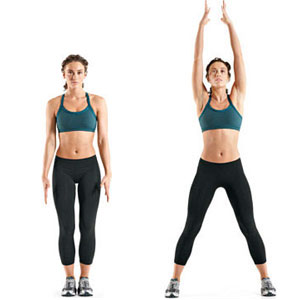
Sound easy? Try it. I was introduced to tabata a couple of years ago by a blogger on SparkPeople: she kept talking about this strange form of exercise I had never heard of before. I was intrigued by the length of the workout – how could I not do a workout that was only 4 minutes long and highly adaptable to what I could or couldn’t do? With boredom being my biggest blockade to working out, the variability of tabata was appealing. I started simply, with jumping jacks and high knees.

Who doesn't love getting their butt kicked by a ball of iron?
Who doesn’t love getting their butt kicked by a ball of iron?

If you were to do an informal survey of my friends and family, they would undoubtedly tell you that my favorite way to workout is kettlebells. Honestly, if I hadn’t had several people suggest bells to me, I might still hate exercise. I do a kettlebell workout on Mondays, Wednesdays and Fridays, and while it’s an incredible workout, it’s not as much cardio as I should be doing, so I’ve decided to add in some additional, short workouts on my “off” days. That’s where tabata comes in.

Tabata is a highly customizable, 4-minute long High Intensity Interval Training (HIIT) workout. Yeah, you read that right, four minutes. You can link together multiple variations to create a 20-minute long workout if you so choose. Here’s a brief history of tabata workouts from Active.com:

Tabata training was discovered by Japanese scientist Dr. Izumi Tabata and a team of researchers from the National Institute of Fitness and Sports in Tokyo.Tabata and his team conducted research on two groups of athletes: one group trained at a moderate intensity level while the other group trained at a high intensity level. The moderate intensity group worked out five days a week for a total of six weeks; each workout lasted one hour. The high intensity group worked out four days a week for six weeks; each workout lasted four minutes and 20 seconds (with 10 seconds of rest in between each set).

The results; group one had increased their aerobic system (cardiovascular), but showed little or no results for their anaerobic system (muscle). Group two showed much more increase in their aerobic system than group one, and increased their anaerobic system by 28 percent.

In conclusion, high intensity interval training has more impact on both the aerobic and anaerobic systems.

In short, a tabata workout has three requirements:

  • Do the activity as hard as you possibly can for 20 seconds
  • Rest for 10 seconds
  • Repeat for a total of 8 times

Sound easy? Try it. I was introduced to tabata a couple of years ago by a blogger on SparkPeople: she kept talking about this strange form of exercise I had never heard of before. I was intrigued by the length of the workout – how could I not do a workout that was only 4 minutes long and highly adaptable to what I could or couldn’t do? With boredom being my biggest blockade to working out, the variability of tabata was appealing. I started simply, with jumping jacks and high knees.

Jumping Jacks
Jumping Jacks
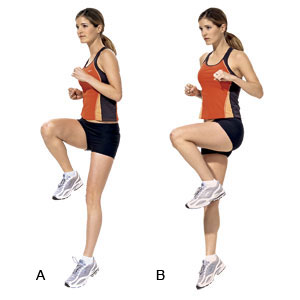
High Knees
High Knees

At 100 pounds overweight, this workout WIPED ME OUT! I had trouble catching my breath, my throat burned, I was sweating and thirsty after just four minutes. I couldn’t believe how tired I was. Admittedly, I did tabata for a few weeks, then quit. I honestly can’t remember why. But when considering cardio workouts to supplement my strength training, I decided to try again. So yesterday I did the same workout before breakfast. Not quite as difficult as before, but still challenging! Still breathing hard and thirsty, and definitely got my heart rate up. I only did four minutes, but I think I’m going to add on additional exercises over the next few weeks to lengthen the workout, and I’m going to try to do it 3 days a week.

If you’re interested in tabata, there are a ton of resources on the web, but there are a few good examples at Muscle and Fitness and a great list of links at Pop Sugar.

Have you tried or are you interested in trying tabata? Let me know in the comments!