

There are a million and one ways to go meatless, whether you want to go full time vegan, vegetarian, or just be vegetarian a few days a week like me. There are a plethora of meat substitutes available to try, and many of them are quite good! I’ve tried all of them except Textured Vegetable Protein (which a friend says was his favorite of the bunch) so here’s my impression:

Tofu
Tofu is made from soy milk that is coagulated and then pressed into blocks similar to the cheese making process. Tofu has a very smooth texture which makes it less like meat unless you buy extra firm, cut it, press the water out and then grill or fry it. I have never truly been a fan of tofu due to the texture, but I recently tried it again and was pleased with the results. It’s practically flavorless so you’ll need to season it well.

Tempeh
Tempeh is also made from soy, but it’s less processed than tofu. It’s also fermented: this gives it a nutter flavor and a heartier texture. I really love the texture of tempeh, but it doesn’t really resemble meat, since it doesn’t have a very good “chew”. What I love about it is whole soybeans are visible in the finished product which make it look and feel vastly less processed than other meat substitutes.
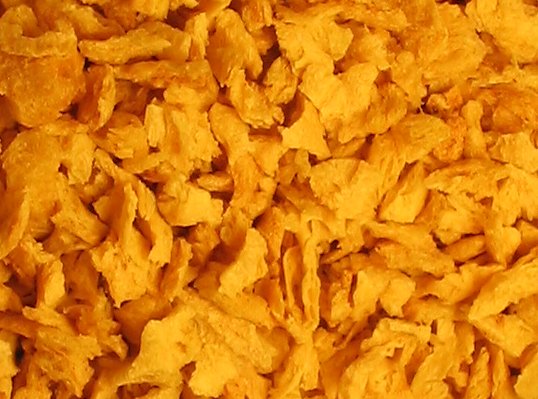
TVP (Textured Vegetable Protein)
Another soy product, TVP is dehydrated soy flour and needs to be reconstituted before eating. It’s a by product of the soybean oil production process. It would work great in any situation that requires a ground meat texture, and because it’s a byproduct of another process, it’s very low cost. It’s usually sold dried and needs to be reconstituted before eating.

Seitan
Seitan is made from wheat gluten, so if you have a wheat allergy I’d steer clear. It’s a GREAT substitute for chicken, however, because it shreds just like chicken. It’s mild in flavor like tofu, so it can be flavored any way you like. I remember eating this nearly 20 years ago at a Vegetarian Kosher Chinese restaurant. It was coated in sesame seeds and deep friend for Sesame “Chicken”. It was soooo gooood.

Mycoprotein (Quorn)
To understand the wonder that is Quorn, one has to understand what a mycoprotein is. If you read a lot of science fiction, you may realize that future humans will probably be eating tons more of it. Mycoprotein is made from a mold that’s part of the fungus family. It’s grown in large vats and then egg and spices are added before it’s steamed to cook it. Sounds perfect for space travel, right? Plus, it TASTES GOOD, like a very mild mushroom. Texturally it’s pretty close to meat, if a little on the dense side.
Nutrition Facts
It can be difficult to compare nutrition on these things because the serving sizes can vary so greatly. I made an easy to read chart that compares facts based on both 100g servings and what 100 calories will get you. It’s quite eye opening!

I hope you give some of these a shot if you haven’t already!

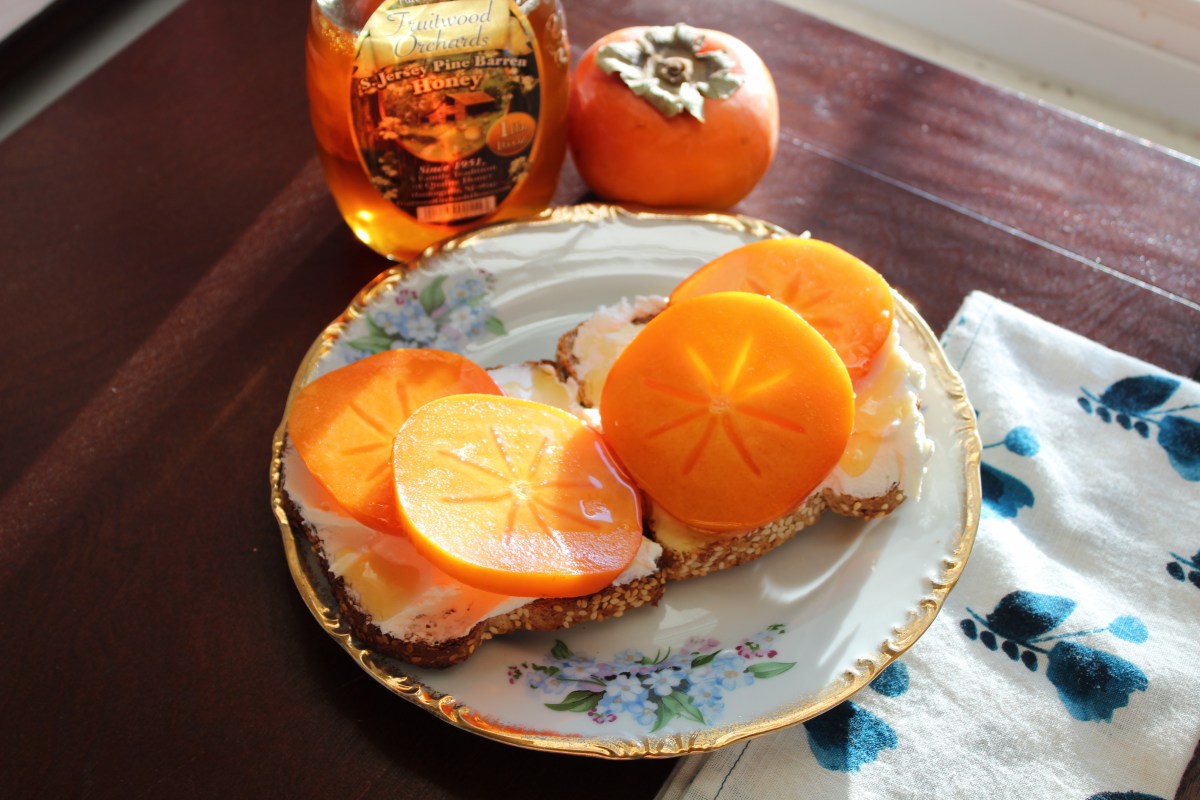
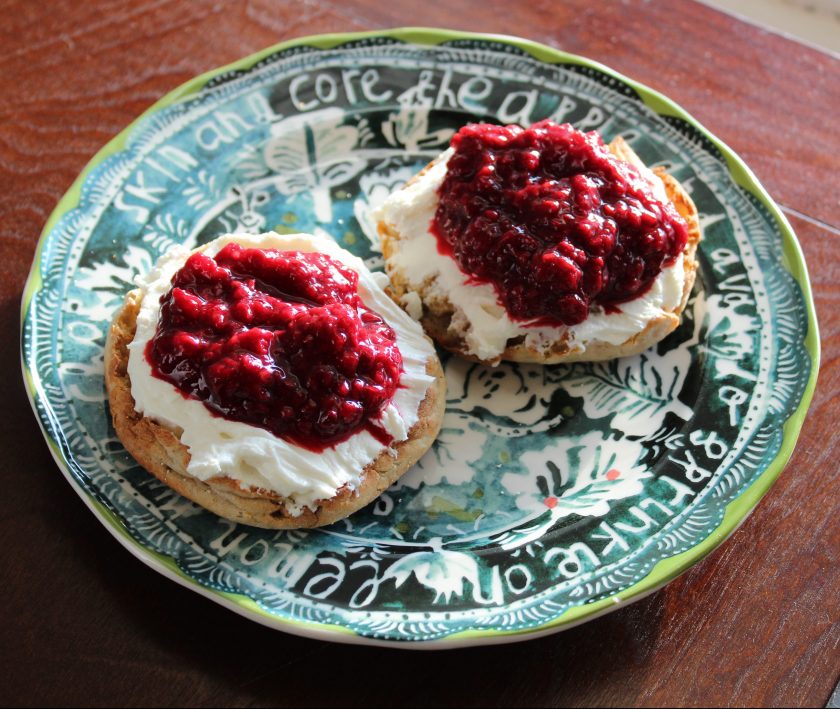 I only discovered the joy of labneh recently. I’d had it before, it’s used often as a condiment at my favorite restaurant
 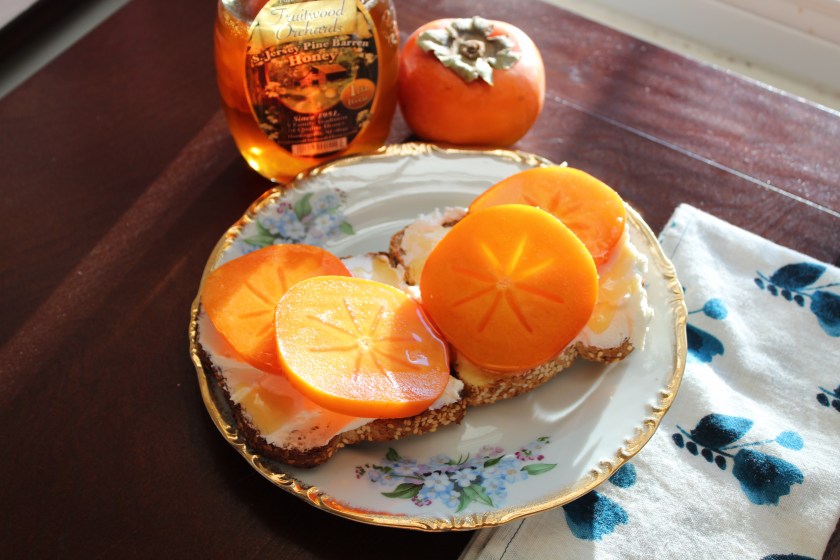 The best part of labneh is it easily transitions from sweet to savory dishes. Traditionally it’s served doused with fruity olive oil and sprinkled with za’atar seasoning, served with warm pita bread. You can use it in a thousand other ways too: mix it with herbs for a dip, inside crepes, on top of pizza crust, the possibilities are endless.
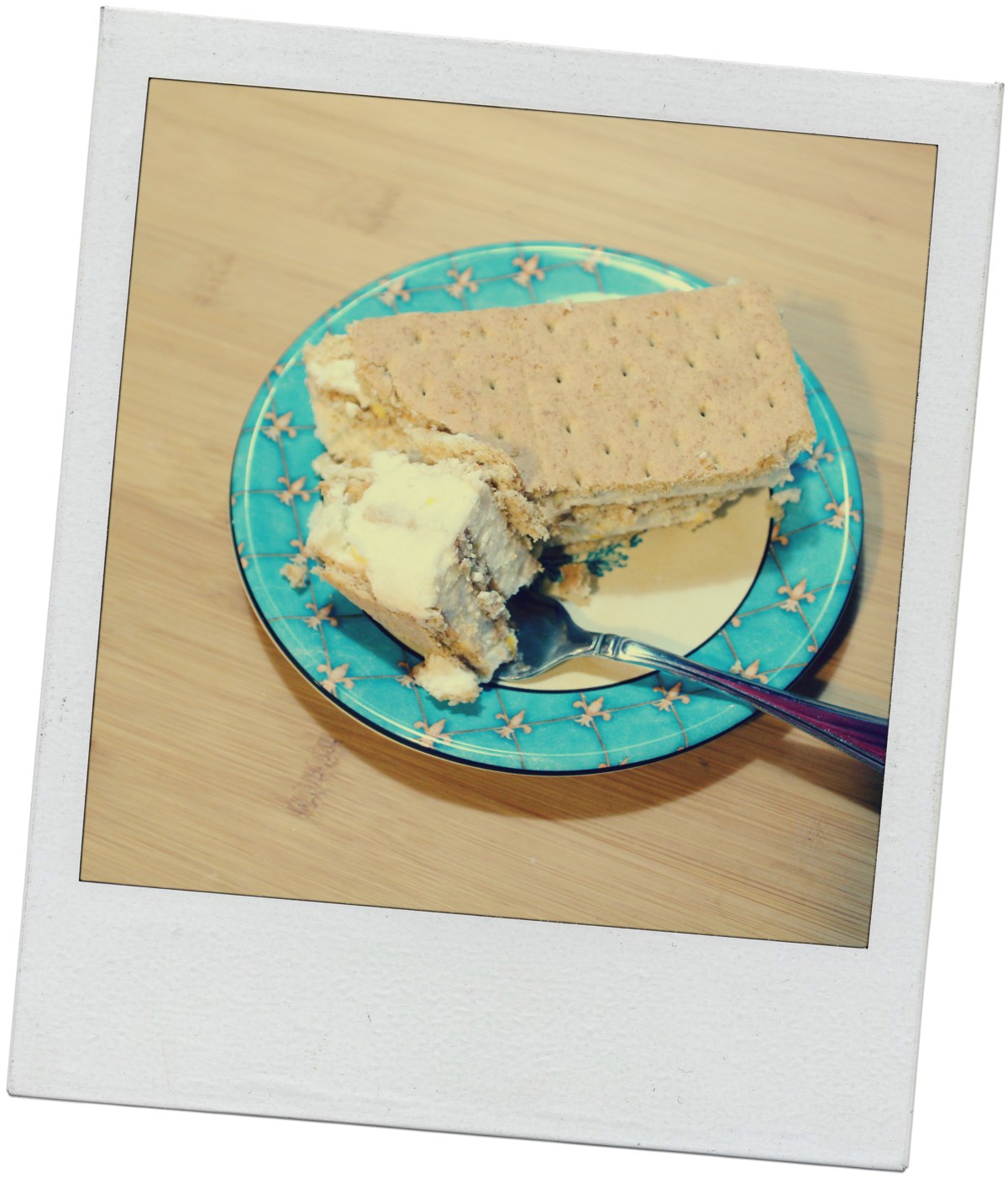
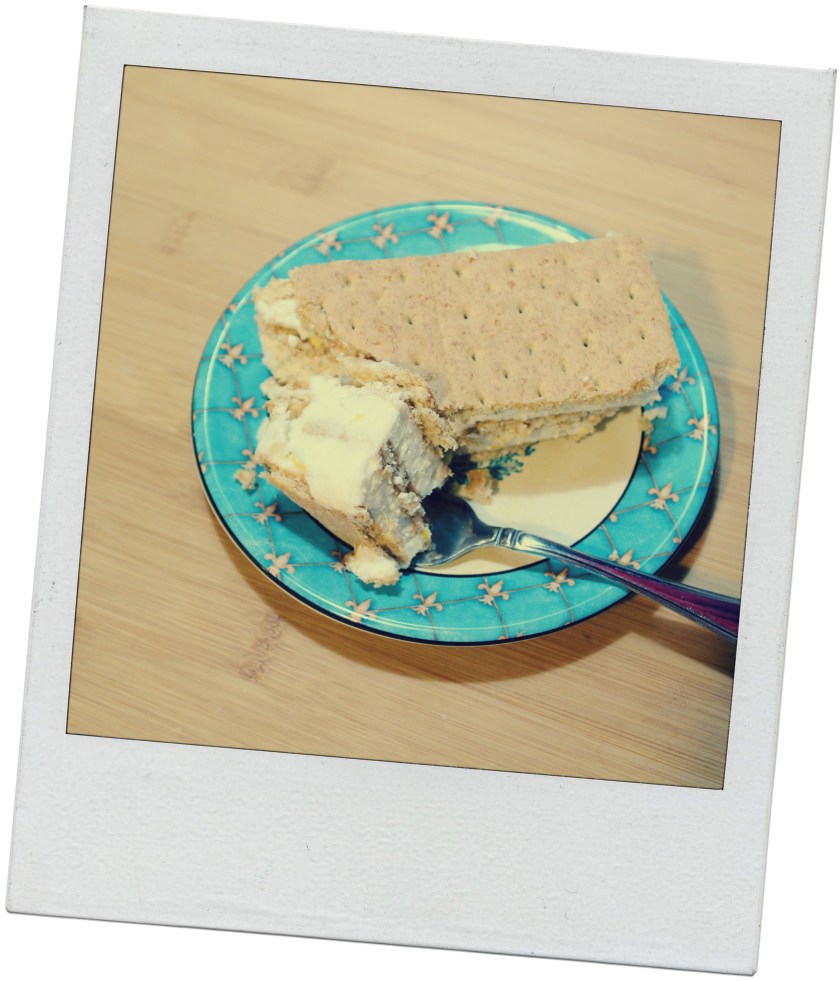 Some days you’d kill for a piece of cheesecake. But, as anyone who’s into healthy living knows, cheesecake can be dangerous. So my brain went a’stormin’ and thinking about how I could get a dessert I could enjoy on a cheesecake level without freaking out about it showing up on the scale the next day. Turns out for me that was easier done than said!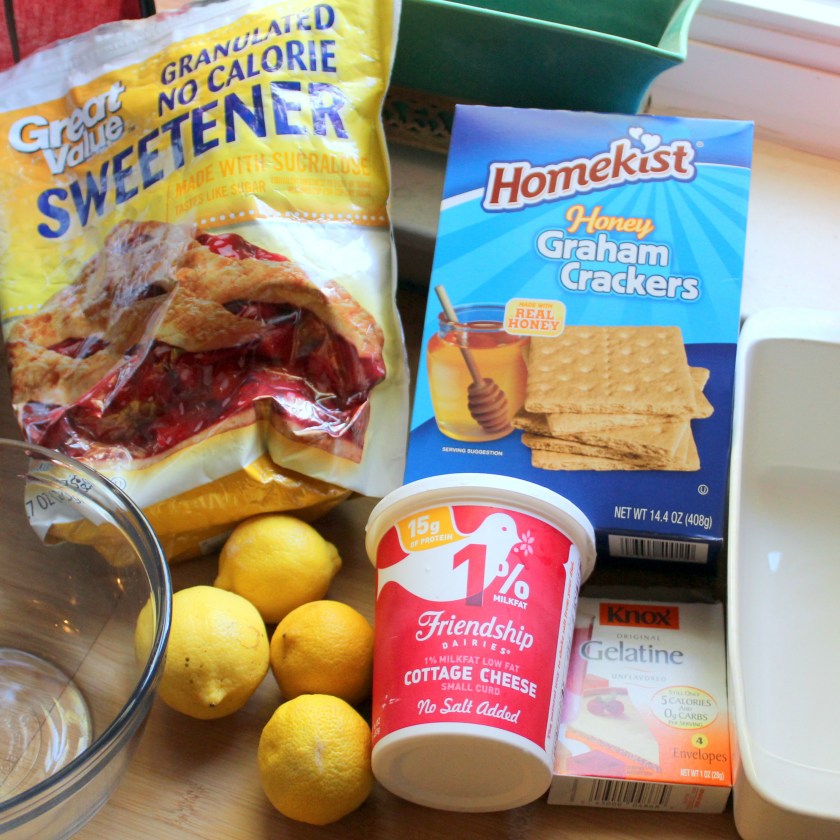
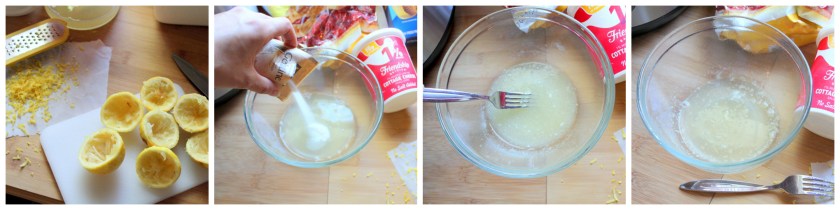 Zest the lemons and juice them. You’ll need 1/4 cup of juice and about a tablespoon of zest. Pour the juice into a small bowl and sprinkle in the gelatin. Whisk with a fork then microwave for 2 minutes. This will bloom the gelatin.
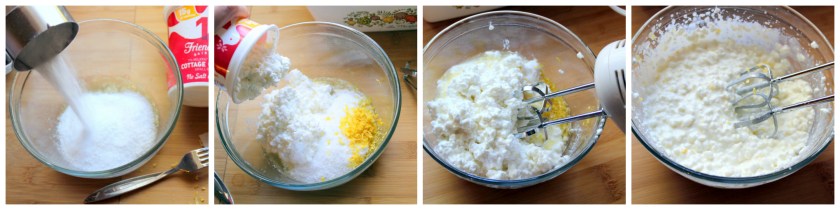 Add in the sucralose and cottage cheese and blend thoroughly with a hand mixer. If you prefer a smoother texture, feel free to mix this in a blender.
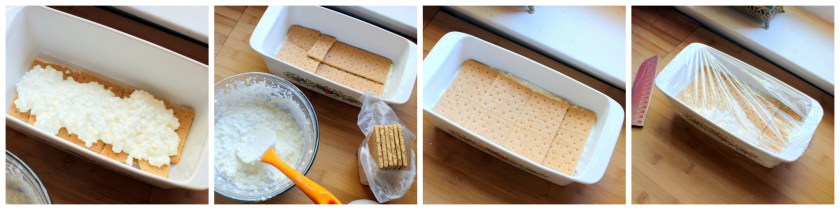 Layer the graham crackers on the bottom of your loaf pan. Top with half of the cottage cheese mixture, repeat, then finish with the remaining graham crackers. Cover with plastic wrap and refrigerate for at least 4 hours, preferably overnight. It will sliced pretty well the next day and be firm enough to eat with the fingers.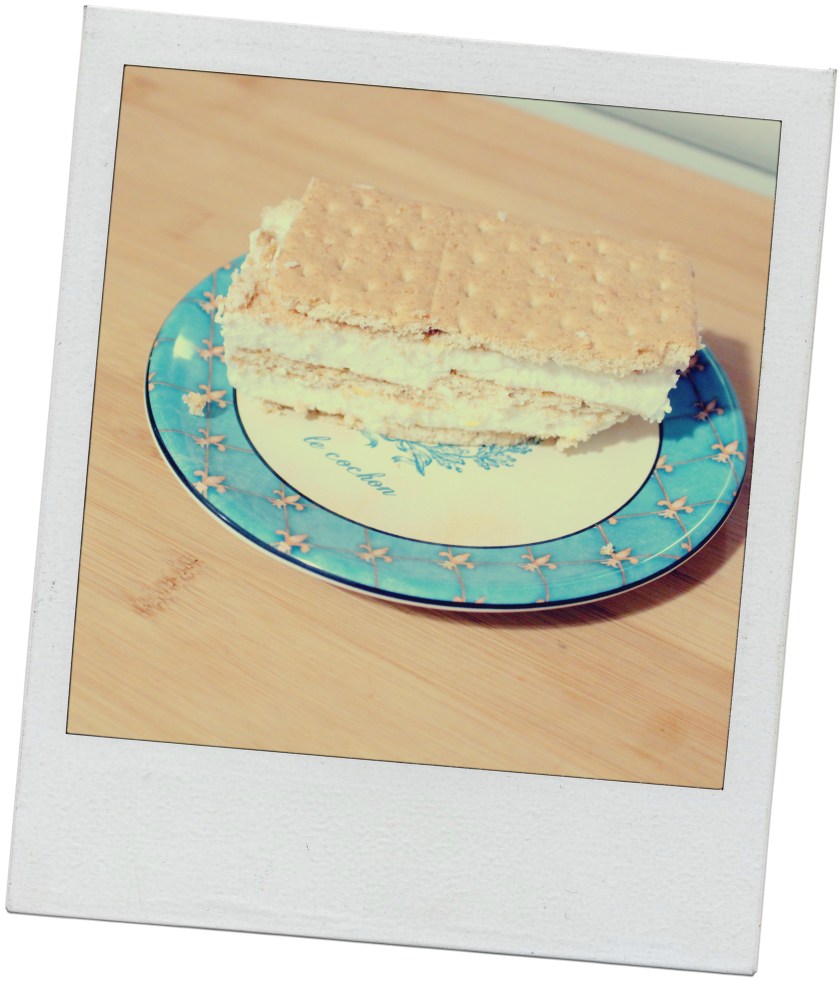
 A Measured Life