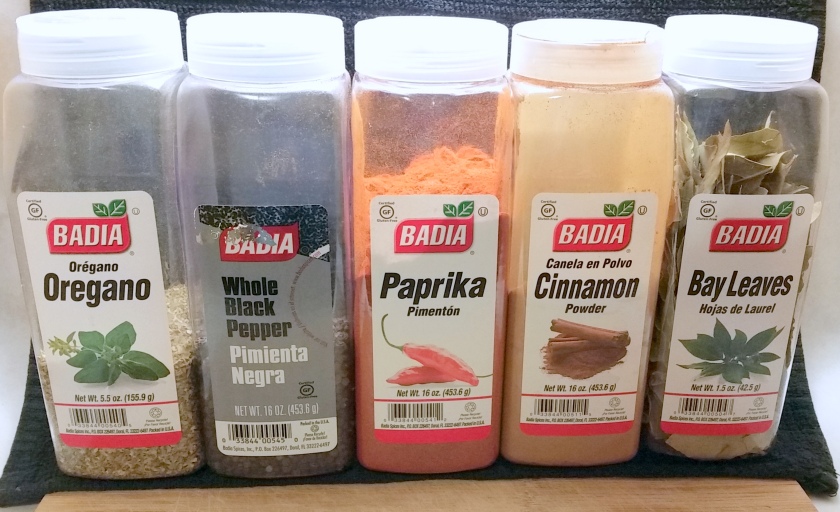
 Okay, perhaps that’s a little harsh, but if you want to be able to crack open a cookbook (or better yet, Pinterest) and make almost anything, these 20 spices are the absolute baseline for savory dishes. I wrote a post in January about my top ten most-used herbs and spices, but here I’ve double the amount and limited it to dried varieties.
Kosher Salt
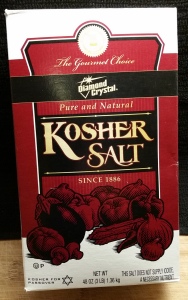 This one is absolutely a no brainer. Limit that iodized salt to baking, please! Kosher salt is coarser and easier to sprinkle evenly. I keep mine in a small ramekin for easy pinching between my fingers. The crunchy texture is also super satisfying when used to finish cooked vegetables. A huge box is only a few dollars and lasts forever.
Black Pepper
Another “duh” here. Try to avoid the pre-ground varieties and use whole peppercorns in your own grinder. It makes a huge difference in the flavor. You don’t need fancy multi-colored peppercorns, either, plain black will do.
Garlic Powder
When you want garlic flavor but fresh garlic is too strong, garlic powder is the way to go. Garlic is incredibly common in cooking and is used all over the world. Perfect for rubs and vinaigrettes.
Onion Powder
Like garlic powder, onion powder is great for when you want the sweetness of onion without the sharpness. Works great in rubs, dressings, etc.
Chili Powder
An absolute must have in any kitchen. Don’t be nervous: chili powder does not mean spicy! The heat level is usually pretty mild, and there are usually other spices thrown in (oregano, garlic, etc.). Wanna make chili? You NEED chili powder. How about tacos? Indian food? Barbecue brisket? Chili powder comes in handy for all these things and infinitely more. I like some sprinkled on my morning potatoes.
 Cayenne Pepper
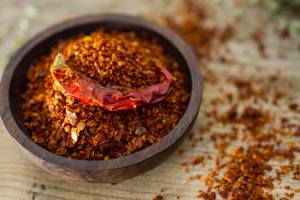
Cayenne is for when you want sharp, quick heat. Lots of recipes call for cayenne, but always in small quantities. Most cuisines that have heat will use cayenne in one of it’s forms, so it’s a good one to keep around.
Red Pepper Flakes
You’ll see a shaker jar of these babies on every table at a pizzeria or Italian restaurant. These flaked bits of dried peppers (often the same variety as ground cayenne) are often sprinkled on finished dishes for a tiny bite of heat.
Paprika
An entire dish (Chicken Paprikash) has been named after this spice, in a country halfway around the world from where it originated, that’s how beloved paprika is. Wanna make Spanish, Portuguese, Hungarian, Cajun or Creole food? You’ll need paprika. There are several varieties of paprika, but the most commonly used is sweet paprika. I buy it by the quart. Also handy to have is smoked paprika, which lends a smoky note to your food.
 Cumin
Cumin
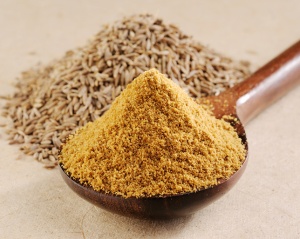
Two of my favorite cuisines contain copious amounts of cumin (YAY ALLITERATION): Mexican and Indian. I love the smoky earthiness it brings. Try to make tacos, or chili even, without cumin. It’s even good whisked up in some scrambled eggs in the morning. Cumin originated in Egypt but can be found in cuisines throughout the world. My favorite cumin-scented dish? Cuban Black Beans.
Cinnamon
I love, LOVE, cinnamon, both in sweet and savory dishes. Just try to give me French toast made without cinnamon. This truly versatile spice can be used at any time of day to add a sweet spicy note to anything. Cinnamon is used nearly everywhere. Ask around, do you know anyone that doesn’t love cinnamon? I bet the answer is a resounding no.
Ground Ginger
Ground ginger is an entirely different animal from fresh. Fresh ginger can be used in either sweet or savory dishes, while ground is mostly used in sweet dishes, since it loses quite a bit of it’s pungent heat when dried. Spice cake, gingerbread, pumpkin pie? All use ground ginger. (Also, if you feel nauseous, steep some in warm water and drink as a tea, it helps, honest!)
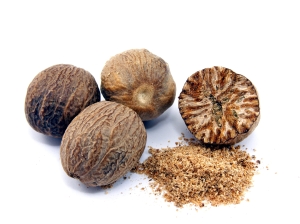 Nutmeg
I’ll be the first to admit that I’m not a huge fan of nutmeg, but I keep it in my cabinet anyway. Why? Want to make a classic bechamel? Or haggis? Nutmeg is used a lot in Western European savory dishes as well as in sweet desserts. It’s even used in India, Japan, the Caribbean and Indonesia! And it’s a MUST in one of my favorite desserts: pumpkin pie.
Oregano
Yes. Yessssss. Oregano is in EVERYTHING! Italian food? Greek? Cuban? Mexican? OREGANO IS IN IT. Plus, oregano is delicious. Also, if you type oregano enough times the word looks funny. Try it. Oregano. Ore-ga-noooo. Man it looks weird to me now. Tastes amazing, though. Oregano.
Thyme
Heavily used in Mediterranean cooking, thyme adds a woodsy flavor to roasts and adds a punch without being overwhelming to breads, potatoes and sauces.
Rosemary
I swear I’m not going to sing that Simon & Garfunkel song. Parsley isn’t on the list. But rosemary is a key component in savory dishes, particularly in Italian food. A pork loin roast with a crispy exterior speckled with rosemary? What about roast chicken? Steep it in olive oil for a great dip for crusty bread.
Italian Seasoning
Italian seasoning is just that: a blend of dried herbs commonly used in Italian cooking. Use this if you need a punch of Italian flavor. Great for sauces and pizza. The standard four base herbs are basil, oregano, rosemary and thyme.
 Bay Leaves
Bay leaves are NOT just those pesky things you need to fish out of the soup later. Wait, you just leave them out of your soup? You shouldn’t. So what are bay leaves good for other than soups and stews? My favorite Portuguese spice mix, Frango Grelhado seasoning, uses HEAVY amounts of bay leaves, crushed into small pieces to marinate chicken.
Poultry Seasoning
I may only use this spice a few times a year, but I used it consistently any time I roast a whole bird. I also add a pinch of this to homemade gravies and stuffings/dressings to accent the earthy flavors. Poultry seasoning is usually a mix of rosemary, oregano, sage, marjoram and thyme.
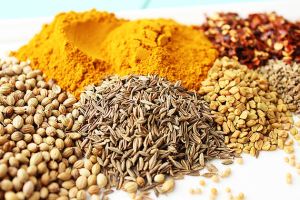 Curry Powder
There are probably a thousand varieties of curry powder, but if I had to choose just two they’d be Madras and Jamaican. Madras curry powder is slightly hotter than your generic curry powder, and Jamaican curry powder has allspice, which Indian curry powders generally do not have. Curry powder is almost always used in conjunction with other spices, but it’s a good starting point (and a heckuva lot cheaper than buying all the spices separately).
Garam Masala
Like curry powder, garam masala is a blend of warm spices. I love it on chickpeas, roasted potatoes, in curries, lentil soup, and I even saw a recommendation for using it in pumpkin pie instead of pumpkin pie spice, which sounds amazing to me! Coffee cake, rice pudding, baked sweet potatoes sprinkled with garam masala, the list is endless!
So, how many of these spices do you already own? Half? More than half? If you say all of them, you’re on your way to being a superior home cook!





 A Measured Life